Visitors to Hachigata Castle may first be puzzled by how little it resembles the castle they expected. There are no towering stone walls, no water-filled moat, and no keep. Yet that absence changes how the castle should be seen.
What you should look at here is the cliff above the Arakawa, the terrain watching Musashi and Kozuke, and the decisions of the people who used this castle for 114 years. Hachigata is a castle to read through the meaning of place more than the beauty of buildings.
The Arakawa cliff speaks of defense and movement
Ota Dokan recommended Hachigata as the headquarters of the Kanto Kanrei because of its terrain. It was a natural stronghold between the Arakawa and Fukasawa rivers and close to the Kamakura highway. It was easy to defend when attacked and useful as a road base when moving out. The first thing to see on site is this double character.
Hachigata as a rebel castle
In Nagao Kageharu's time, Hachigata Castle was a rebel base that received relatives and retainers who had lost position. Kageharu entered the castle after failing to inherit the stewardship of the Uesugi house. Beneath the quiet earthworks lies the urgency of people who had lost vested rights.
Hachigata as headquarters of the Kanto Kanrei
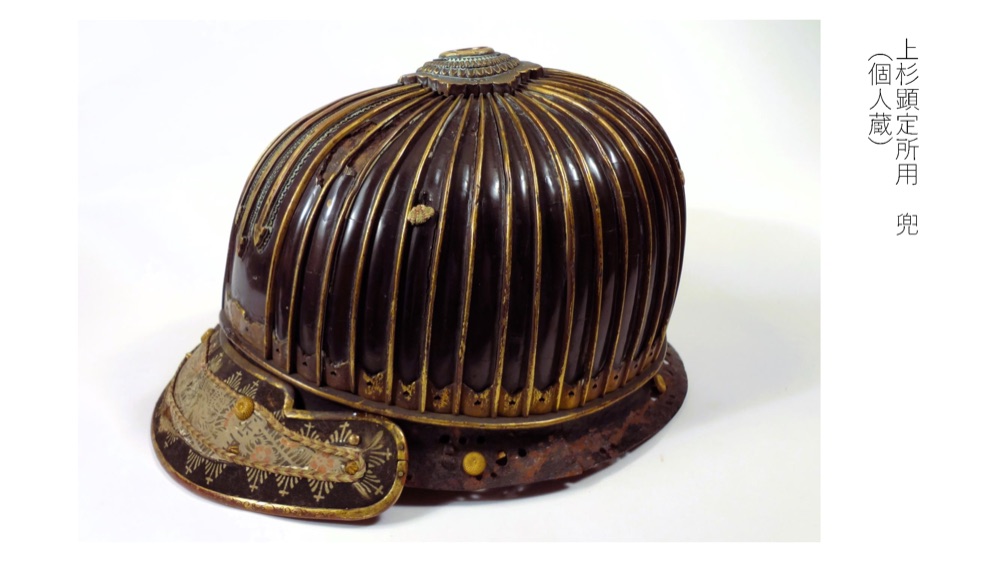
Uesugi Akisada's thirty-two years turned Hachigata into the Kanto Kanrei's headquarters. Banri Shukyu's poetry and banquets during wartime show that the castle was also a stage for politics and culture. The highlights are not only traces of battle, but the air of authority placed here.
The highlight of bloodless surrender
There was no large battle at Hachigata Castle. Hojo Ujikuni kept asking Hideyoshi to spare lives and opened the castle on June 14. If you look for the meaning of its fall, do not imagine flames and close combat. Look at the weight of choosing not to fight. The soldiers and commoners Ujikuni tried to protect are the final chapter of this castle.