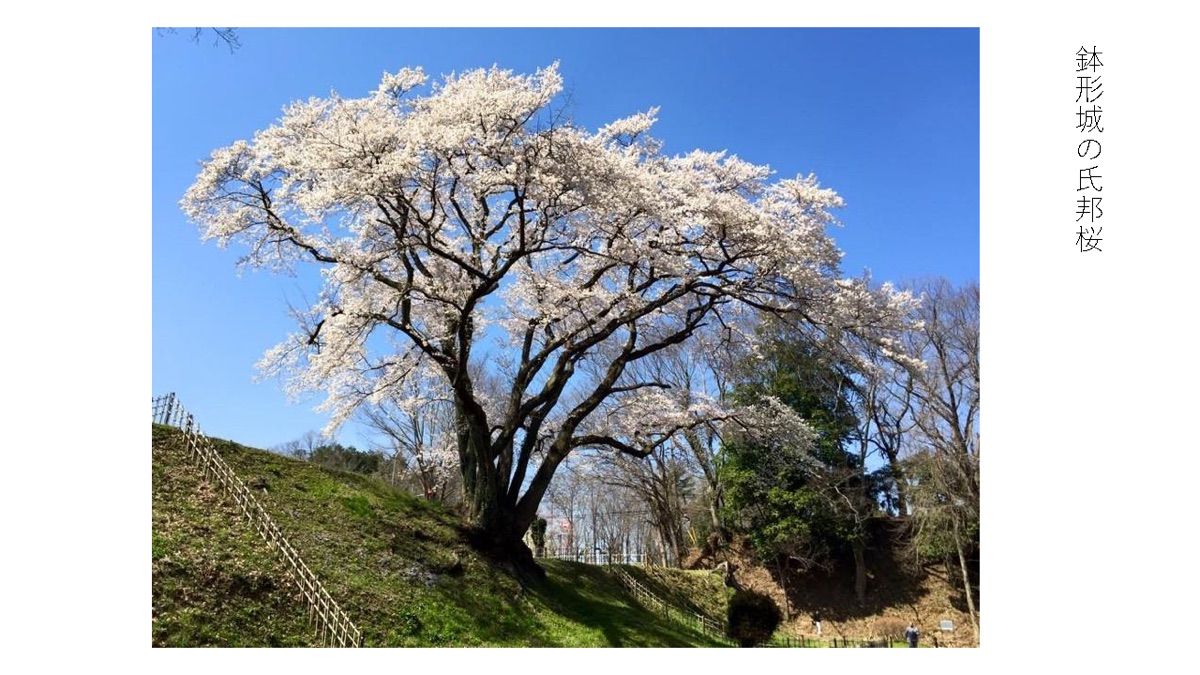
When you arrive at Hachigata Castle, first look not at what remains, but at what does not. There are no towering stone walls, no water-filled moat, and no keep. Even so, when you stand on the cliff above the right bank of the Arakawa, you can see why this place became a castle.
Yorii is in northwestern Saitama, between the Chichibu mountains and the Kanto plain. The Arakawa runs through the town, and Hachigata Castle was built on the right-bank cliff. This small, nature-rich town preserves many clues for reading Eastern Japan's Sengoku history.
First, look at the river and cliff
The strength of Hachigata Castle lies not in architecture but in terrain. Ota Dokan recommended it as the headquarters of Uesugi Akisada because it was vital terrain that could watch Musashi and Kozuke. Between the Arakawa and Fukasawa rivers, near the Kamakura highway, it was a natural stronghold. When walking, think less about points inside the castle and more about lines of sight outward.
Walk with Kageharu's rebellion in mind
Nagao Kageharu, the first figure known from sources to use Hachigata as a base, developed the castle as a place for retainers who had lost office and income. The castle was a place where people pushed out of the existing order gathered. Knowing Kageharu's story turns the quiet earthworks into the base of those under pressure.
Imagine Akisada's thirty-two years
Under Uesugi Akisada, Hachigata became the headquarters of the Kanto Kanrei. Banri Shukyu's poem describing the castle as firm enough to keep even birds from peering in shows that, within about ten years of Akisada's arrival, it had become a place of authority. Even during war, there were banquets and linked verse. The castle was a stage of politics and culture as well as war.
Receive Ujikuni's end as quietness
Hojo Ujikuni, the last lord of Hachigata, did not choose a major battle before Hideyoshi's great army. If he fought, fields would be ruined and the lives of soldiers and civilians sheltering in the castle would be endangered. Ujikuni kept petitioning for lives to be spared, and on June 14 Hachigata Castle surrendered without bloodshed. The quietness of the ruins is also the fact that no battle took place.
Walking becomes a way to reread the region
Walking Hachigata Castle is a way not to see Yorii as an ordinary town. Link the Arakawa, the cliff, the ruins, the graves of Ujikuni and Daifuku Gozen at Shoryuji, and the traces of history in town, and 114 years of Eastern Japan's Sengoku era overlap in one place. The more you walk, the more Hachigata changes from a castle without stone walls into a castle where ideas remain.