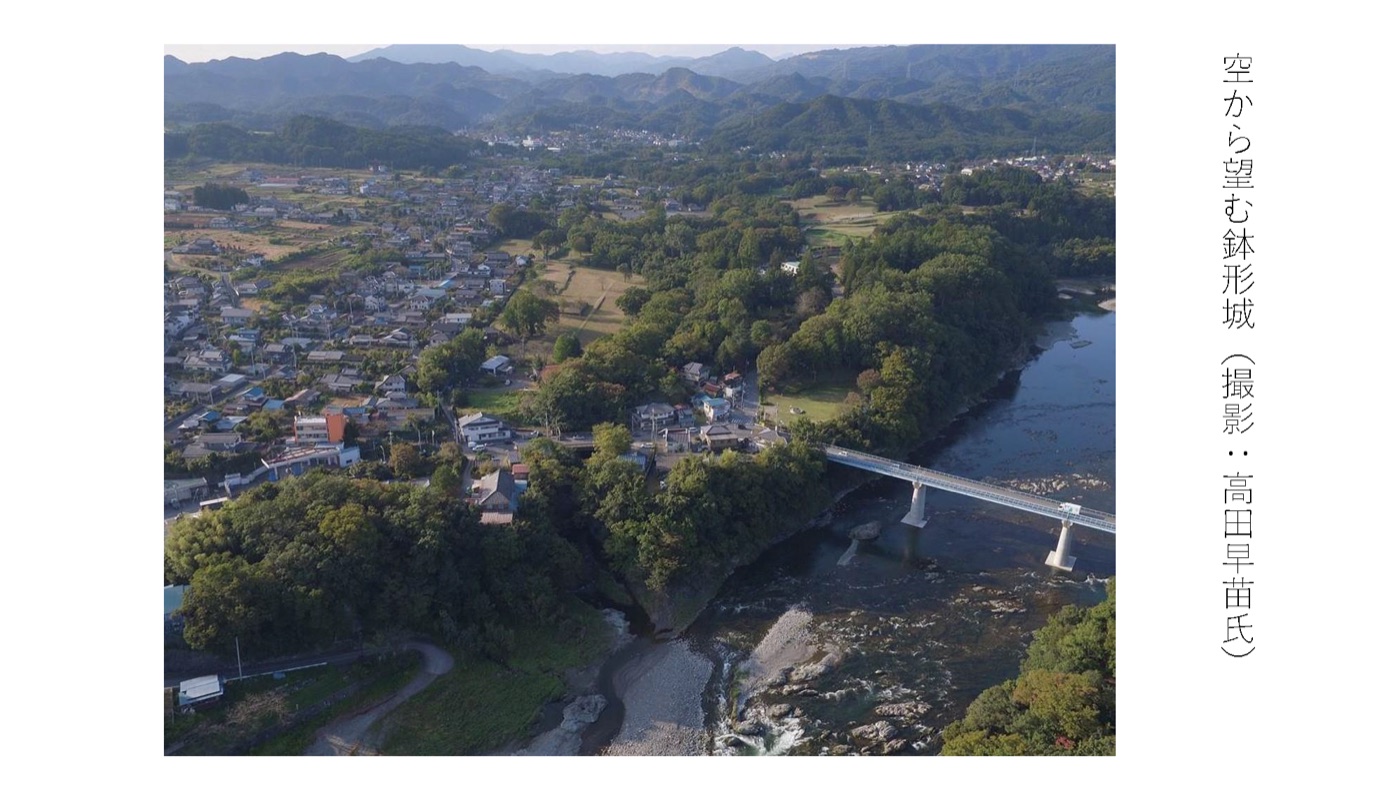
The Sengoku era in Kanto began without waiting for Kyoto's Onin War. In 1454, Ashikaga Shigeuji, the Kamakura Kubo, had Uesugi Noritada, the Kanto Kanrei, assassinated and entered conflict with the shogunal side. From that point, Kanto carried a major tension: the Uesugi side west of the Tone River and the Ashikaga side to the east.
Hachigata Castle appears in the wake of that struggle. Nagao Kageharu failed to inherit the post of family steward after his father's death, and he developed Hachigata Castle as a place for relatives and retainers who had lost vested rights. In the Nagao Kageharu Rebellion of 1477, Hachigata became a rebel base against the Uesugi Kanto Kanrei.
From rebel base to Kanto Kanrei headquarters
As Kageharu's rebellion moved toward collapse, the meaning of Hachigata reversed. In the summer of 1478, Uesugi Akisada entered the castle. Ota Dokan argued that Hachigata was a vital piece of terrain that could watch Musashi and Kozuke, and that the imperial banner should be placed there. Akisada used the castle as his base for thirty-two years.
In Akisada's time, Hachigata was both a political-military center and a cultural stage. The renga poet Banri Shukyu described Hachigata as a fortress wall so firm that even birds could scarcely peer into it. The castle was not only a battlefield; it was a place where authority in Kanto was made visible.
The age of short-lived Kanto Kanrei
After Akisada died, Uesugi Akizane, who had been brought in from the Koga Kubo family, became Kanto Kanrei. Yet in 1512, Uesugi Norifusa attacked Hachigata Castle, and it is said to have fallen in less than three days. Uesugi Norihiro, another figure brought in from the Koga line, also appears briefly during later succession struggles. After that, Hachigata receded from the front of history until Hojo Ujikuni entered.
Ujikuni's castle
Hojo Ujikuni inherited the Fujita name and acted as a young leader in northern Musashi. Between 1564 and 1569, he moved his base from Hanazono Castle to Hachigata and took responsibility for the front toward Kozuke. His life overlapped with the Hojo-Uesugi alliance, the Battle of Mimase Pass, the Otate conflict, and the Battle of Kanagawa River.
The castle's end, however, was not a fierce battle. When the Odawara Hojo chose a strategy that used the outer castles as shields, Ujikuni objected and returned to Hachigata. He continued to petition Hideyoshi for lives to be spared, and on June 14, 1590, Hachigata Castle surrendered without major fighting.
What 114 years reveal
Across 114 years, Hachigata Castle changed from rebel base to Kanto Kanrei headquarters, from short-lived succession project to Hojo Ujikuni's seat of government. Following that change shows the collapse of the Muromachi order in Kanto, the rise of Sengoku warlords, and the ending imposed by Toyotomi power. Hachigata was not a minor local castle. It is a fixed point from which to observe Eastern Japan's Sengoku history.